Skip to content
  • facebook.com
  • twitter.com
  • t.me
  • instagram.com
  • youtube.com
Electronics Engineering

Powering Innovation. Engineering the Connected World.

Subscribe
  • Home
  • Online Tools
  • Electronics Engineering App
  • Home
  • Electrical safety
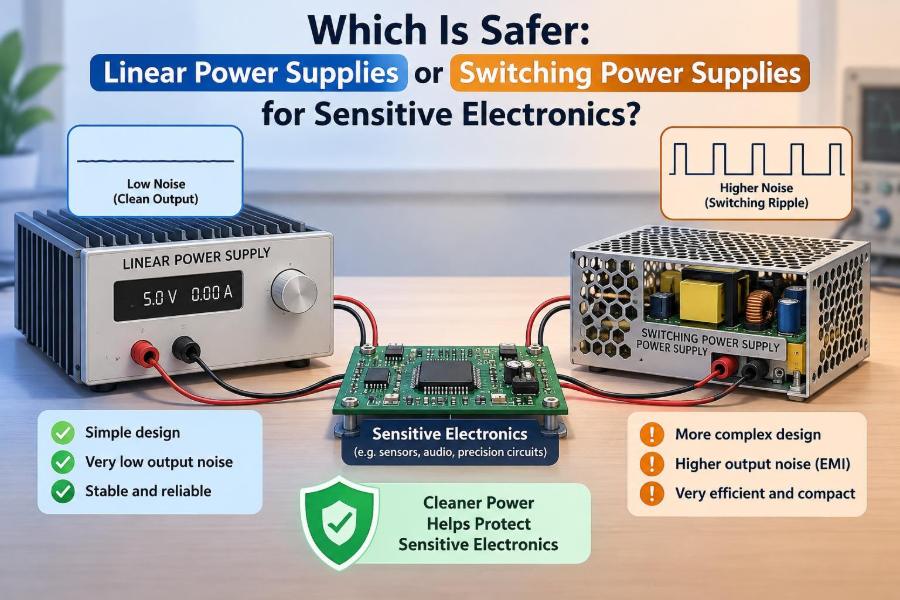
πŸ”Œ Which Is Safer: Linear Power Supplies or Switching Power Supplies for Sensitive Electronics?
Posted inFeatured

πŸ”Œ Which Is Safer: Linear Power Supplies or Switching Power Supplies for Sensitive Electronics?

Posted by admin November 10, 2026
Linear and switching supplies each solve different problems. Learn how isolation, heat, noise, grounding, and protection determine the safer choice for sensitive circuits. βš‘πŸ“‘πŸ”§
Read More
πŸ”Œ How to Trace an Unknown Circuit Board and Identify Its Major Functional Sections
Posted inFeatured

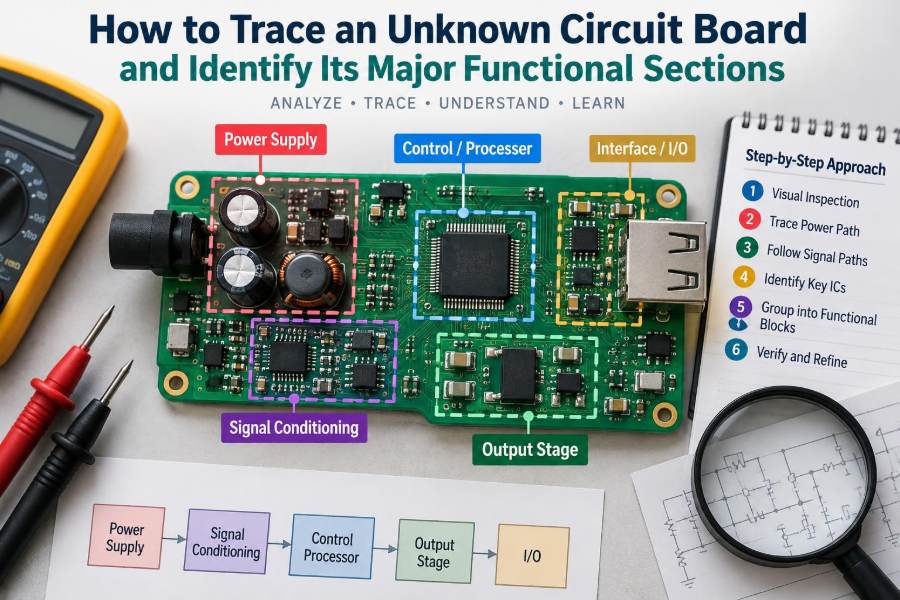
πŸ”Œ How to Trace an Unknown Circuit Board and Identify Its Major Functional Sections

Posted by admin November 4, 2026
Turn a mystery circuit board into clear power, control, input, and output blocks. Learn the safest tracing sequence, the clues that matter, and mistakes to avoid. πŸ”βš‘πŸ› οΈ
Read More
πŸ”Œ Debunking the Myth That Higher Voltage Always Means Better Electronic Performance
Posted inFeatured

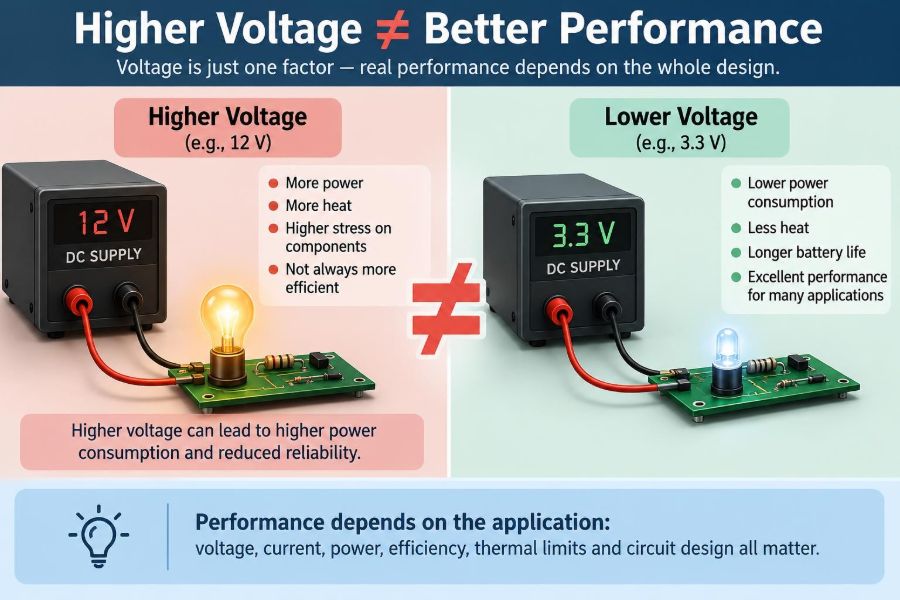
πŸ”Œ Debunking the Myth That Higher Voltage Always Means Better Electronic Performance

Posted by admin October 15, 2026
More voltage can add speed, headroom, or powerβ€”but it can also create heat, failures, and unsafe transients. Learn what voltage actually controls before turning that dial. βš™οΈπŸŒ‘οΈπŸ›‘οΈ
Read More
πŸ”Œ Have You Ever Wondered Why Phone Chargers Get Warm While Charging?
Posted inFeatured

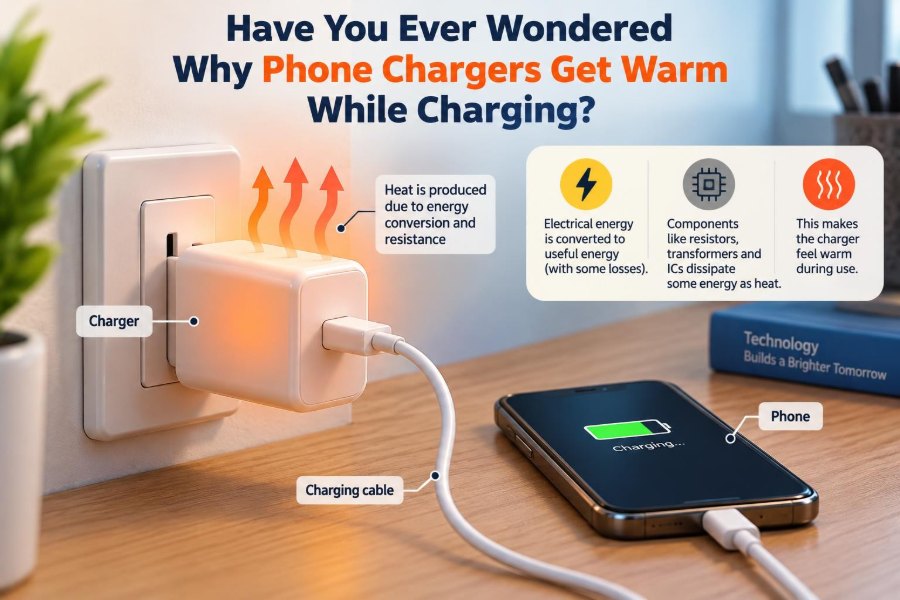
πŸ”Œ Have You Ever Wondered Why Phone Chargers Get Warm While Charging?

Posted by admin October 9, 2026
A warm charging brick is often normalβ€”but hot plugs, bad cables, and trapped heat are not. Learn what causes charger heat and when to unplug safely. πŸ”‹βš‘πŸ›‘οΈ
Read More
πŸ”Œ Does a Higher-Wattage Power Supply Make Electronic Devices Perform Better?
Posted inFeatured

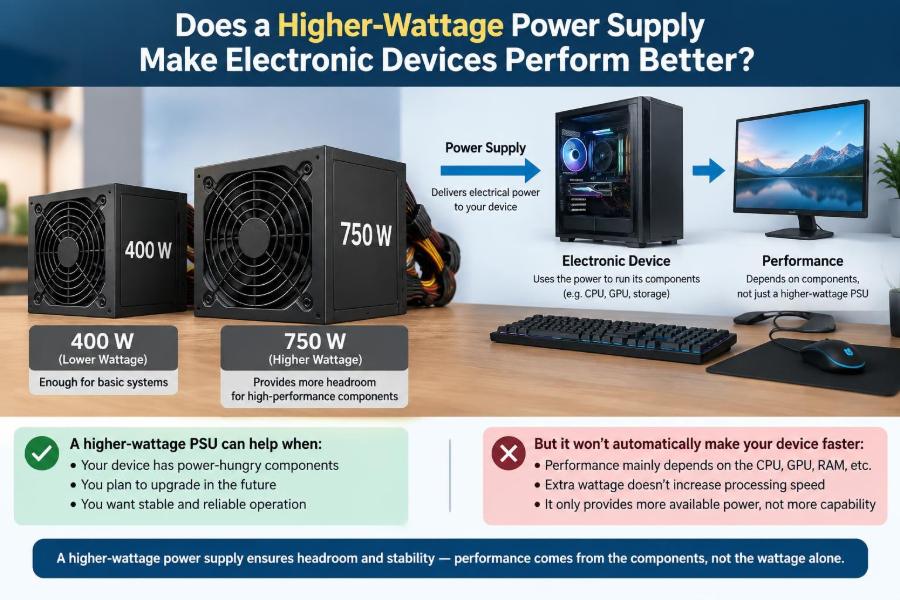
πŸ”Œ Does a Higher-Wattage Power Supply Make Electronic Devices Perform Better?

Posted by admin October 3, 2026
A larger power supply is not always a performance upgrade. Learn how watts, volts, current, USB-C negotiation, cables, and PSU quality determine what your device can safely use. βš‘πŸ’»πŸ”‹
Read More
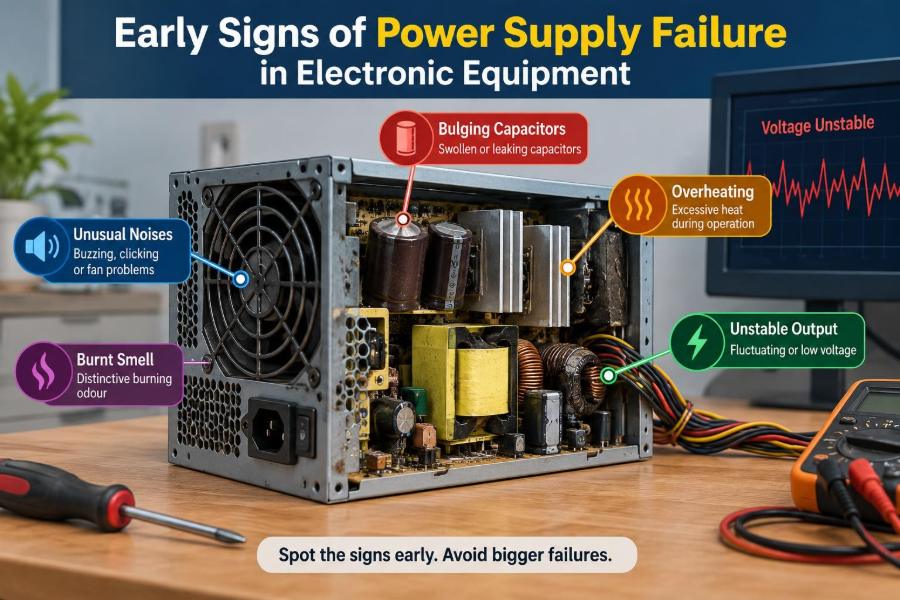
πŸ”Œ Early Signs of Power Supply Failure in Electronic Equipment
Posted inFeatured

πŸ”Œ Early Signs of Power Supply Failure in Electronic Equipment

Posted by admin October 1, 2026
Random resets, flickering screens, heat, and strange sounds can point to weak power delivery. Learn what each clue means and how to test safely before damage spreads. πŸ› οΈπŸ“‰βš οΈ
Read More
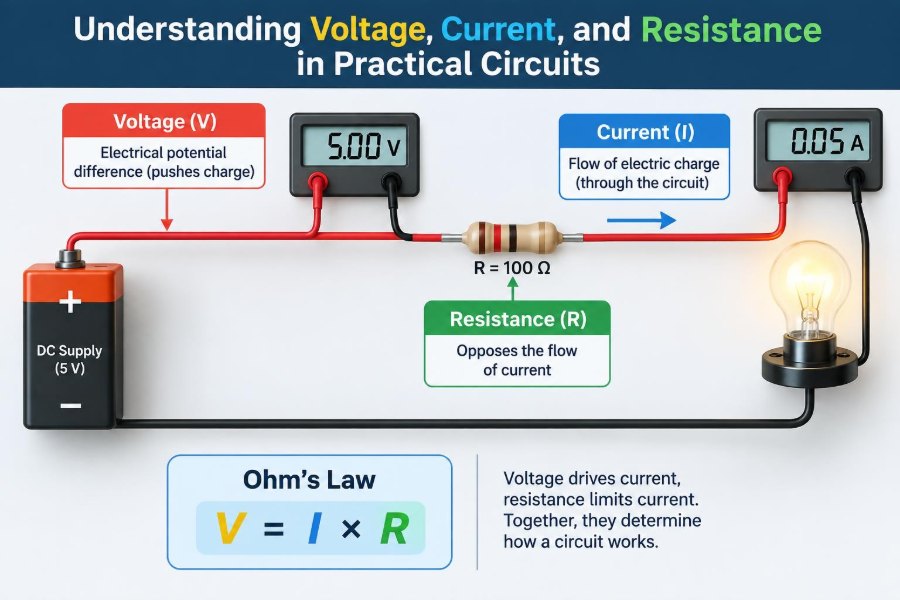
πŸ”Œ Understanding Voltage, Current, and Resistance in Practical Circuits
Posted inFeatured

πŸ”Œ Understanding Voltage, Current, and Resistance in Practical Circuits

Posted by admin September 28, 2026
Turn voltage, current, and resistance into useful troubleshooting tools. Learn what meters reveal, why wires heat up, and how to avoid common circuit mistakes. βš‘πŸ§°πŸ“
Read More
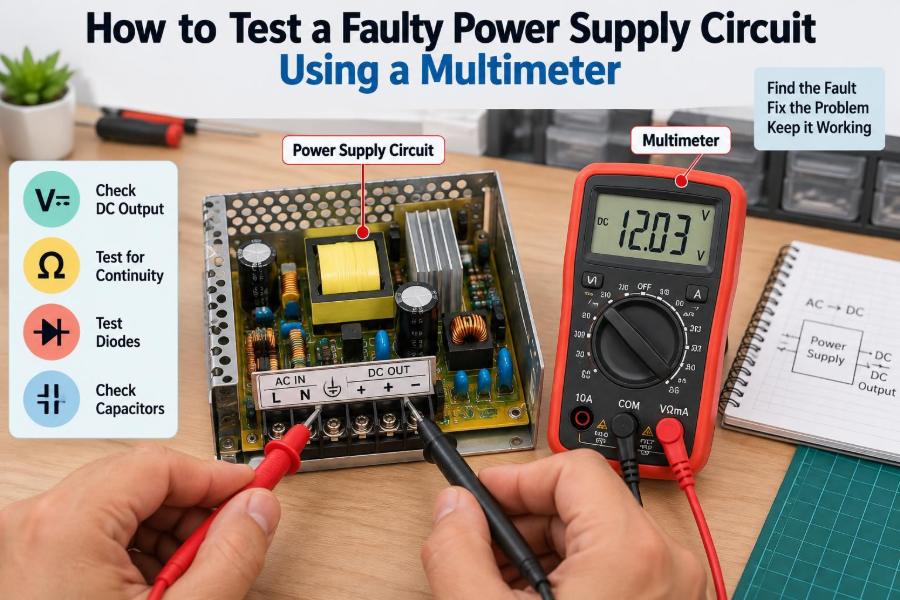
πŸ” How to Test a Faulty Power Supply Circuit Using a Multimeter
Posted inFeatured

πŸ” How to Test a Faulty Power Supply Circuit Using a Multimeter

Posted by admin September 22, 2026
Trace a power fault safely from input to output: test fuses, rectifiers, rails, regulators, ripple clues, and loads without random probing. πŸ§°πŸ”Œβš οΈ
Read More
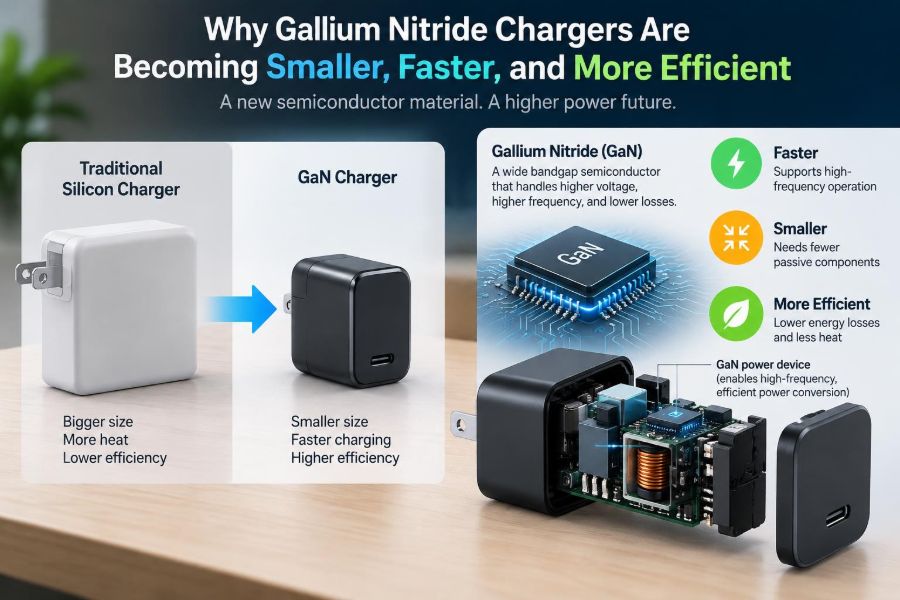
πŸ”‹ Why Gallium Nitride Chargers Are Becoming Smaller, Faster, and More Efficient
Posted inFeatured

πŸ”‹ Why Gallium Nitride Chargers Are Becoming Smaller, Faster, and More Efficient

Posted by admin September 21, 2026
GaN changes the fast-switching heart of a chargerβ€”but cables, heat, USB-C negotiation, and safety still decide performance. Learn what to check before buying. πŸ”ŒπŸ’»πŸŒ‘οΈ
Read More
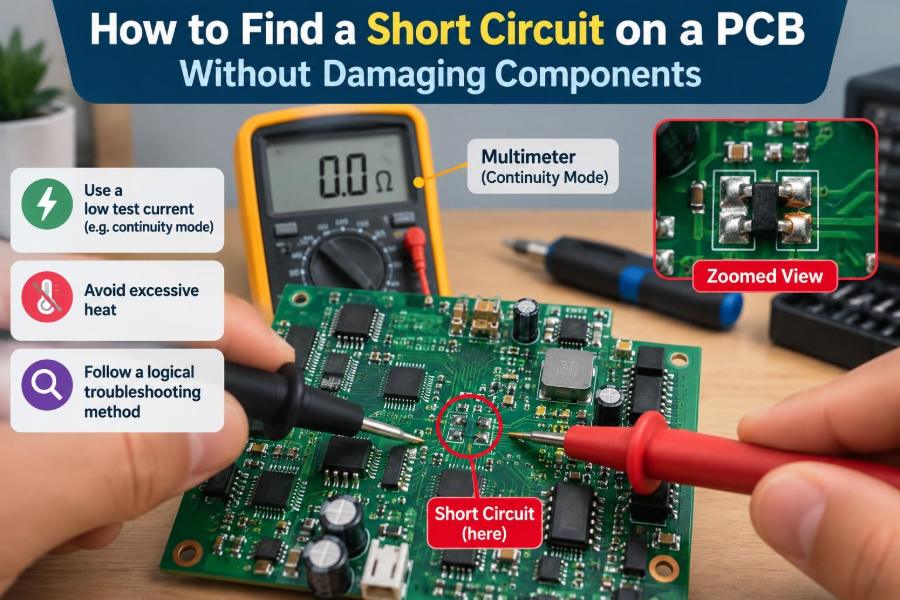
πŸ” How to Find a Short Circuit on a PCB Without Damaging Components
Posted inFeatured

πŸ” How to Find a Short Circuit on a PCB Without Damaging Components

Posted by admin September 20, 2026
A low-resistance reading is not always a fault. Learn a safe, repeatable way to isolate PCB shorts with a meter, controlled power injection, and thermal clues. πŸ› οΈπŸŒ‘οΈπŸ”Œ
Read More

Posts pagination

1 2 Next page

Recent Posts

  • πŸ”Œ How Long Do Capacitors, Batteries, and Power Components Last in Electronic Devices?
  • πŸ”Œ Dealing With Ground Loops: How to Eliminate Hum, Noise, and Unwanted Current Paths
  • πŸ”Œ How to Measure Frequency, Duty Cycle, and Signal Quality with an Oscilloscope
  • πŸ”Œ Understanding Transistors and How Tiny Semiconductor Switches Control Modern Electronics
  • πŸ”Œ The Solution to Signal Noise: How Filtering and Shielding Improve Electronic Reliability

Recent Comments

No comments to show.

Archives

  • November 2026
  • October 2026
  • September 2026
  • August 2026
  • March 2025
  • February 2025
  • January 2025
  • February 2022
  • November 2021
  • October 2021
  • September 2021
  • August 2021

Categories

  • basic
  • Circuit theory
  • consumer appliances
  • Control systems
  • Digtal time system and signal processing
  • DIY Project
  • Electric energy generation and utilization
  • electrical projects
  • electronic devices
  • Featured
  • Microprocessor and Microcontroller
  • multimedia processing
  • Numerical method
  • Power engineering
  • power transmission
  • Protection and Switch gear
  • Signal processing
  • Solid State drives
  • Systems and controls
  • Telecommunication
  • Wireless Technology
Copyright 2026 — Electronics Engineering. All rights reserved. Bloghash WordPress Theme
Scroll to Top